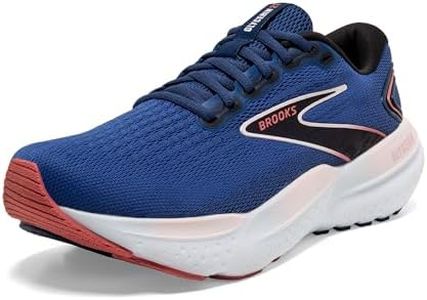
Einkaufsleitfaden für die besten Brooks Damenschuhe
Choosing the right men's running shoes, especially from a reputable brand like Brooks, is all about ensuring comfort, fit, and the right support for your individual running style and needs. Before diving into features, it's good to know where and how you'll use the shoes—will it be for daily running, race day, or maybe walking and gym sessions? Taking some time to think about your foot shape, typical running distances, and where you'll be running (roads, trails, treadmill) will help you focus on the specs that matter most for your situation.CushioningCushioning refers to how soft and shock-absorbing the sole of the shoe feels when you run or walk. This is important because it affects comfort and how much impact your feet and legs feel, especially if you're running long distances. Cushioning levels generally range from minimal (firm and responsive, good for faster runs) to maximum (plush and protective, ideal for longer or recovery runs). If you prefer a softer ride or have joint concerns, a higher cushioning can be helpful. On the other hand, if you're a speed runner or want more ground feel, moderate or lower cushioning may suit better.
Support / StabilitySupport or stability is about how much the shoe helps keep your feet aligned if you tend to roll inward (overpronation) or outward (supination) while running. This is crucial for preventing injuries and improving comfort. Shoes are usually divided into neutral (for runners with a normal gait), stability (for mild pronation correction), and motion control (extra support for severe pronation). If you know your gait from a previous fitting or analysis, that should guide which support type you choose. If unsure, neutral shoes are a safe starting point for most people.
Fit and WidthFit covers how the shoe matches the shape of your foot (length, width, and arch height). It's very important because even the best shoe won't feel good if it doesn't fit right. Brooks and other brands often offer multiple widths—standard, wide, and sometimes narrow. You should aim for a snug but not tight fit, with enough space for your toes to move. If your feet feel cramped or pressured, look for wider options, and if your shoes always feel loose, a narrower fit may work better.
WeightWeight is the heaviness of the shoe, usually described in grams or ounces. Lighter shoes often feel faster and less tiring, making them good for racing or quick workouts. Heavier shoes usually have more durability or cushioning, which can be a benefit for longer runs or recovery days. If you're doing a mix of distances at various speeds, something in the middle will usually work for most people.
Traction / OutsoleTraction comes from the outsole, which is the bottom part of the shoe that contacts the ground. Good traction prevents slipping and gives you confidence on different surfaces. Road shoes usually have smoother soles for pavement, trail shoes have more aggressive patterns for dirt and uneven terrain, and some versatile shoes do a bit of both. Think about where you'll be running most—use that to guide your choice. If you run mainly on roads, look for smoother traction; for trail use, seek out shoes with deeper lugs.
Drop (Heel-to-Toe Difference)Drop refers to the height difference between the heel and the toe of the shoe. A higher drop (above 8mm) often feels more traditional and can help those who land on their heels. Lower drop (0-6mm) encourages a more natural or midfoot stride. Your comfort and running style are key—if you’re used to traditional running shoes, a higher drop will likely feel comfortable, while if you like a barefoot feel or have trained with minimalist shoes, a lower drop can suit you.
BreathabilityBreathability is about how well the material of the shoe lets air reach your feet. Shoes with good breathability help keep your feet cool and comfortable, especially during warmer months or longer runs. If you run in hot conditions or tend to sweat a lot, choosing shoes with mesh uppers or ventilated designs may be a good idea; for cooler or wetter environments, slightly heavier materials might feel better.