10 Beste Wetterstation
Von führenden Marken und Bestsellern, die im Internet erhältlich sind.

Ähnliche Produkte
Bis zu 33 % Rabatt




Empfohlene Listen

Wetterstationen
Unsere Top-Auswahl
Gewinner
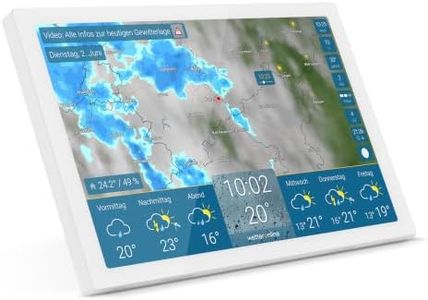
wetteronline home 4 WetterDisplay, WLAN-Wetterstation mit WetterRadar: Wetterfilm auf großem HD-Farbdisplay, einfache Bedienung, edles Design, RegenRadar, Unwetterwarnungen, 14-Tage-Wettervorhersage
 WetterOnline

The wetteronline home 4 WetterDisplay is a smart indoor weather station designed mainly for home use, featuring a large 11-inch Full-HD color display that clearly shows weather maps and radar images. Its standout feature is the integrated weather radar, including rain, wind, and temperature radars, which provide detailed and easy-to-understand weather forecasts. The product delivers reliable temperature readings with about ±0.5°C accuracy and offers useful information such as UV index, rain intensity, and wind speed, making daily planning easier with alerts and tips from professional meteorologists.
The device connects wirelessly through Wi-Fi and Bluetooth and also supports USB, allowing for flexible data access and updates. It runs on a wired power supply, requiring a nearby outlet, which makes it less portable than battery-powered models. Designed for continuous use with regular software updates, the station is meant for indoor placement and does not include outdoor sensors or weatherproofing.
The large, bright screen adjusts automatically to room light, ensuring the display is comfortable to read at any time. While it does not directly measure outdoor conditions itself, relying on radar data and indoor sensors instead, it is ideal for users who want a clear, radar-based forecast rather than detailed outdoor measurements. Its modern design and easy setup make it suitable for homes, offices, or libraries. This station is a good choice for those seeking an elegant, easy-to-read weather display that keeps them informed about weather changes through radar and forecasts. For those needing outdoor sensors or battery operation for garden monitoring, other options might be more appropriate.
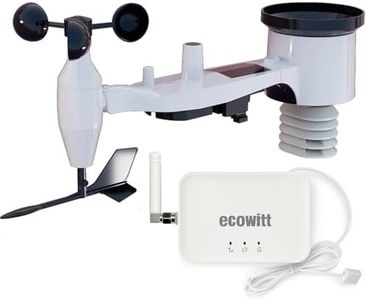
ECOWITT Wittboy Wetterstation Funk mit Außensensor GW2001, 7 in 1 Outdoor Solarbetriebene Wetterstation Array, 3 in 1 Verkabelter/Wifi Gateway Hub GW2000, Wetterassistent für Zuhause
 ECOWITT
The ECOWITT Wittboy Wetterstation is a wireless weather station designed for home use that offers a broad range of sensors in one package. Its 7-in-1 outdoor sensor array measures temperature, humidity, wind speed and direction, rainfall, UV light, and atmospheric pressure, giving you detailed and reliable data about your local weather. The solar-powered design means you won’t need to worry about changing batteries, which adds convenience and makes it environmentally friendly.
The included Wi-Fi gateway hub connects easily to your home network, allowing real-time weather updates through the Ecowitt app and compatibility with popular weather platforms like Weather Underground. This makes data logging and remote monitoring straightforward. The LCD display on the sensor itself is clear and user-friendly, though the main interface is primarily app-based, which might require a smartphone for full use. The wireless connection has good range within a typical home environment, but very long distances or thick walls could impact signal strength.
A key advantage of the station is its expandability—you can add other Ecowitt sensors for soil moisture, air quality, or pool temperature if you want to monitor additional conditions. It has decent weather resistance, though like many home weather stations, extreme conditions might affect sensor longevity over time. This station is well suited for users looking for a versatile, solar-powered weather station with solid sensor accuracy and smart connectivity, especially if you want detailed outdoor data and the flexibility to expand sensors later. It may be less ideal if you prefer a standalone display console or need ultra-rugged hardware for very harsh environments.
ECOWITT Wifi Wetterstation GW3001, 7-in-1-Garten-Funkwetterstation mit Außensensor WS90 mit Home 3-in-1-WLAN-/Kabel-Hub-Gateway GW3000 mit SD-Kartenanschluss, Wetterassistent 868 MHz
 ECOWITT
The ECOWITT Wifi Wetterstation GW3001 is a versatile weather station designed for garden enthusiasts and anyone interested in tracking detailed outdoor conditions. It includes a 7-in-1 setup with sensors measuring temperature, humidity, wind speed and direction, light intensity, UV index, and rainfall. The wireless outdoor sensor uses acoustic and mechanical technology to deliver these readings to a central gateway (GW3000), which connects to your home Wi-Fi or Ethernet for real-time monitoring via the Ecowitt app. This gateway also supports data storage on an SD card, allowing you to keep detailed logs without relying solely on internet access.
The LCD display shows the information clearly, although it is part of the gateway rather than a separate console. Power comes from solar panels supplemented by a power cable, reducing battery hassle. The system can integrate with many additional Ecowitt sensors if you want to expand coverage. A noteworthy feature is the haptic rain sensor, designed to maintain accuracy even in tough weather, though light rain and wind may still cause some fluctuations. For users who need extremely precise rainfall data, a different sensor model is recommended alongside the WS90.
The station is durable but its snow-melting feature only works on a small part of the sensor, not the entire unit. Setting up Wi-Fi is easier than many competitors thanks to multiple configuration methods. This weather station suits gardeners and hobbyists who value a broad range of weather metrics and flexible data options but can accept minor accuracy trade-offs in certain conditions.
Top-Auswahl vergleichen
wetteronline home 4 WetterDisplay, WLAN-Wetterstation mit WetterRadar: Wetterfilm auf großem HD-Farbdisplay, einfache Bedienung, edles Design, RegenRadar, Unwetterwarnungen, 14-Tage-Wettervorhersage Auf Amazon ansehen | ECOWITT Wittboy Wetterstation Funk mit Außensensor GW2001, 7 in 1 Outdoor Solarbetriebene Wetterstation Array, 3 in 1 Verkabelter/Wifi Gateway Hub GW2000, Wetterassistent für Zuhause Auf Amazon ansehen | ECOWITT Wifi Wetterstation GW3001, 7-in-1-Garten-Funkwetterstation mit Außensensor WS90 mit Home 3-in-1-WLAN-/Kabel-Hub-Gateway GW3000 mit SD-Kartenanschluss, Wetterassistent 868 MHz Auf Amazon ansehen |
|---|---|---|
| Angebot | ||
| - | - | - |
| Ausgewählt von | ||
| 1.483 | 1.381 | 1.279 |
| Mehrere Stile verfügbar | ||
| Sensor Types | ||
| Radar | 7-in-1 sensor: temp, humidity, wind, rain | 7-in-1: temp, humidity, wind, light, UV, rain |
| Display and Interface | ||
| 11-inch Full-HD LCD, Bluetooth, USB, Wi-Fi | LCD on sensor; app-based main interface | LCD display on gateway |
| Accuracy | ||
| ±0.5 °C | Solid sensor accuracy | Temp accuracy 1°C, rain sensor haptic |
| Data Logging and Connectivity | ||
| Bluetooth, USB, Wi-Fi | Wi-Fi hub; real-time app updates | Wi-Fi, Ethernet, SD card slot |
| Power Supply | ||
| Wired | Solar-powered | Solar powered and power cable |
| Durability and Weather Resistance | ||
| Indoor use only, not weatherproof | Decent resistance; affected by extremes | Durable, snow-melting on small sensor |
| Wireless Range | ||
| -- | Good range in typical home environment | -- |